

Why Taroona Demands Specialized Excavation Expertise
Taroona’s prestigious position along Tasmania’s southeast coast presents unique challenges that standard excavation contractors simply aren’t equipped to handle. From heritage-listed properties to cutting-edge architectural designs like the award-winning Taroona House by Archier, this suburb demands excavation services that can work seamlessly with:
• Steep coastal topography requiring precision terracing and slope stabilization
• Coastal erosion considerations that affect long-term structural integrity
• Environmental protection requirements for sensitive coastal ecosystems
• High-end architectural collaborations where millimeter precision matters
• Premium property values where any misstep can be catastrophically expensive

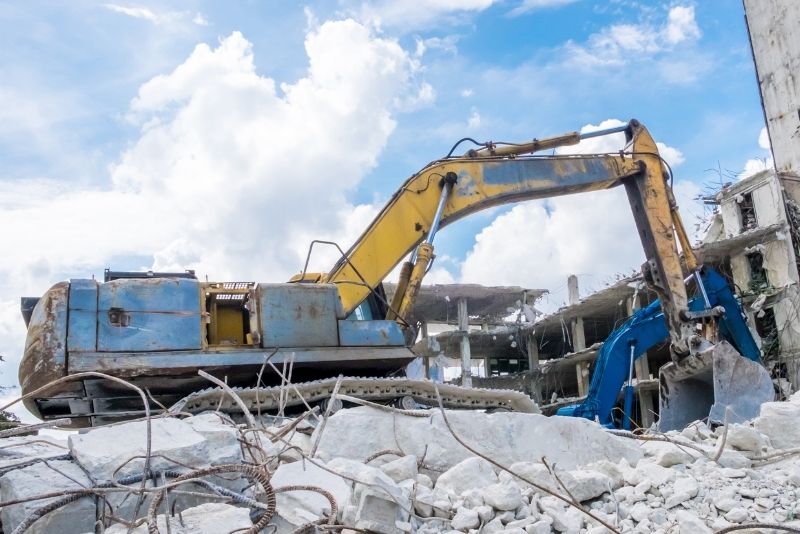


Coastal Erosion & Environmental Considerations
Coastal landforms and ecosystems have many functions and values that require protection from the impacts of earthworks and excavation associated with works in the coastal zone. Coastal dunes, for instance, protect houses and other developments from tidal surges and winds, while saltmarshes and seagrass meadows are critical fish nursery areas.
Our Taroona excavation projects incorporate mandatory coastal protection measures:
Working with Architects on Premium Taroona Homes
The sophisticated architectural projects emerging in Taroona—from contemporary masterpieces to heritage renovations—require excavation contractors who can translate complex design visions into precise earthworks.

Architectural Collaboration Expertise
Site-Responsive Design Integration
• Working within natural contours to minimize environmental impact
• Following examples like Taroona House, which was designed to work with steep, densely forested sites while maintaining full immersion in nature
• Precision excavation for cantilevered structures and complex foundation systems
Custom Pool & Landscape Integration
• Infinity edge pools that maximize Derwent River and mountain views
• Multi-level terracing that creates seamless indoor-outdoor flow
• Integration with sustainable building practices and 6-star energy ratings
Heritage & Planning Compliance
Given Taroona’s mix of heritage properties and contemporary developments, we navigate:
• Tasmania’s coastal hazard planning provisions
• Required assessments for Aboriginal heritage sites and significant wildlife or vegetation values
• Council approval processes specific to coastal development
High-End Pool Excavation Specialization
Premium pools in Taroona demand excavation expertise that goes far beyond basic digging. Our specialized approach ensures:

Advanced Pool Design Support
Gunite Construction Preparation: Gunite construction permits high customization and can be designed in any shape or size, making it ideal for premium swimming pool installations. Our excavation creates the precise foundation requirements for:
• Custom geometric designs that complement architectural styles
• Infinity edges positioned to capture optimal coastal views
• Integration with landscape terracing and outdoor living spaces
Environmental Integration
• Excavation that preserves existing vegetation where possible
• Strategic positioning to work with natural drainage patterns
• Holistic landscape planning that positions pools within fully integrated design plans

Technical Excellence for Coastal Conditions
Soil Stability & Drainage
• Advanced geotechnical analysis for coastal soil conditions
• Custom drainage solutions for high water table areas
• Specialized techniques for dispersive soils that may cause tunnel erosion
Marine Ecosystem Protection
• Zero sediment discharge into coastal waters
• Protection of critical fish nursery areas and seagrass meadows
• Compliance with Tasmanian coastal works manual requirements
Why Choose Our Taroona Excavation Services
FAQ About Excavation Safety & Standards in Taroona
What are the 5 P's of safe excavation?
The 5 P’s have kept me and my crew safe on hundreds of Taroona projects: Plan, Permit, Protect, Probe, and Prevent. When I’m working on those steep hillside properties overlooking the Derwent, planning becomes even more critical because we’re dealing with heritage overlays and environmental sensitivities that many other areas don’t face. I always probe for utilities first – you’d be surprised how many older Taroona homes have unmarked services from decades of renovations.
What is the 6 foot rule for excavation?
The 6 foot rule (1.8 meters in our metric system) means any excavation deeper than this requires protective systems. In Taroona, I actually apply this rule more strictly because of our coastal clay conditions. Those beautiful elevated properties that offer stunning river views? They often sit on expansive clay that becomes unstable when wet. During Tasmania’s winter months, I’ve seen perfectly stable excavations turn dangerous overnight after heavy rain.
At what depth is an excavation considered high risk?
From my experience on Taroona’s coastal properties, I consider any excavation over 1.2 meters as high risk, even though regulations start at 1.5 meters. The combination of our marine clay soils and the fact that many Taroona properties sit on steep slopes means I don’t take chances. I’ve been called to too many heritage home renovations where previous contractors underestimated our local soil conditions.
What depth is considered an excavation?
Technically, any opening in the ground deeper than 1.5 meters is an excavation requiring safety measures. But here in Taroona, I treat anything deeper than a meter seriously because of our unique soil conditions. Many of those beautiful character homes sit on made ground from decades of terracing, which creates unpredictable stability conditions.
What is the difference between shoring and shielding in excavation?
Shoring holds the soil back permanently, while shielding protects workers if soil does collapse. On Taroona’s hillside properties, I typically use a combination approach. The marine clay soils here can appear stable but fail suddenly, especially during our wet seasons. For pool excavations on those premium sites, I often design permanent shoring that doubles as retaining walls for the final landscape.
